
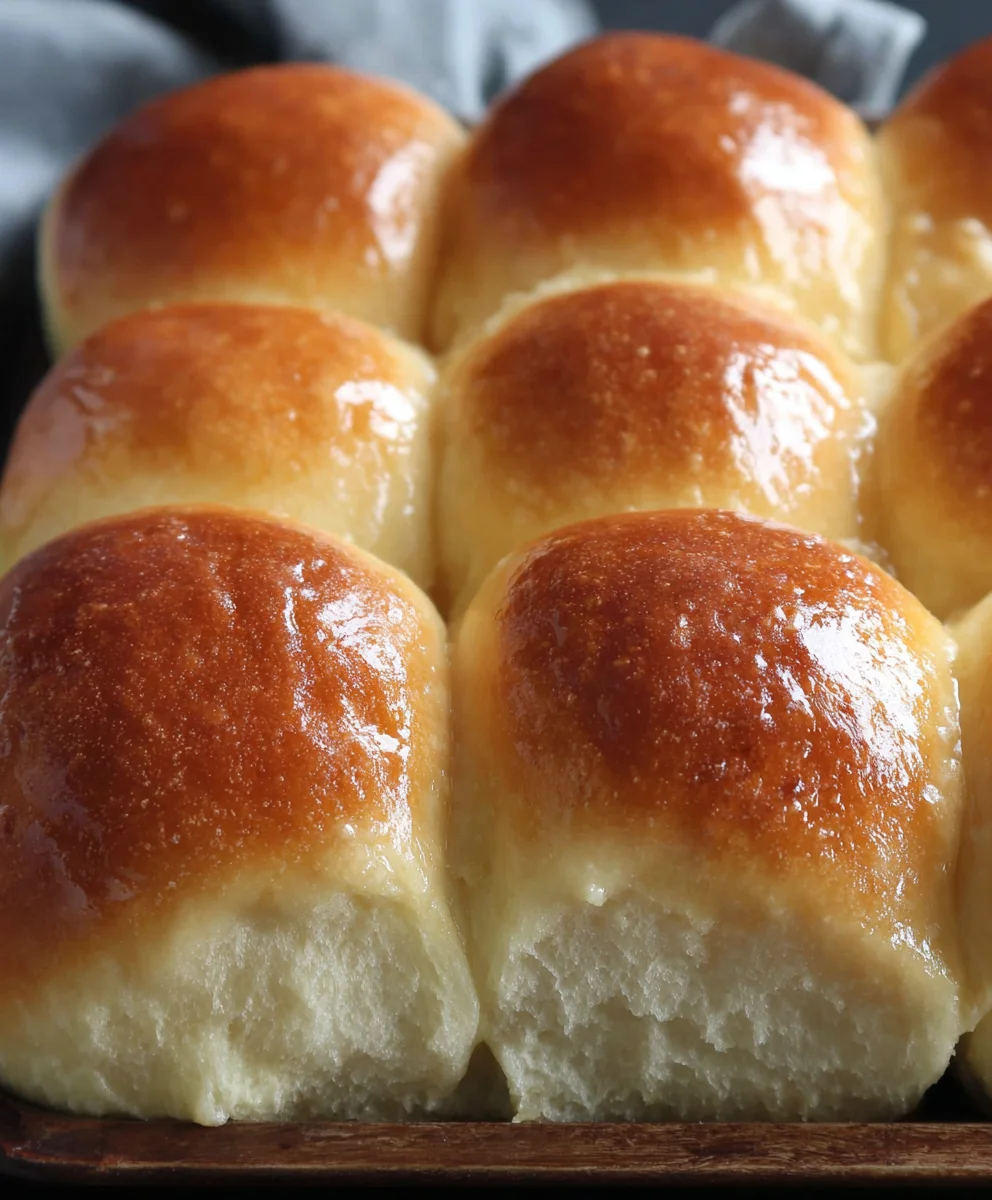
Homemade Yeast Rolls from Scratch are more than just a side dish; they’re an experience. The aroma that wafts from your kitchen as they bake is pure magic, a comforting embrace that instantly makes any meal feel special. There’s a profound satisfaction in creating these fluffy, golden-brown beauties from simple pantry staples. People adore them because, frankly, nothing compares to the tender crum extractb and slightly chewy crust of a perfectly executed homemade roll. They’re the unsung heroes of holiday dinners, cozy weeknight suppers, and everything in between. What truly sets Homemade Yeast Rolls from Scratch apart is the inherent love and care that goes into each batch. It’s a recipe that connects us to tradition, offering a taste of nostalgia with every warm, pillowy bite. This guide will walk you through achieving that bakery-quality perfection right in your own home.
Ingredients:
- 2 cups milk (480 ml)
- 2 tablespoons instant dry yeast
- ¼ cup granulated sugar (50 g)
- ⅓ cup unsalted butter, softened (80 g)
- 1 extra tablespoon unsalted butter, melted (for brushing)
- 2 large eggs
- 6¼ cups all-purpose flour (750 g)
- 2 teaspoons fine sea salt
Preparing the Dough
Step 1: Activating the Yeast and Creating the Base
The journey to perfect Homemade Yeast Rolls from Scratch begin extracts with awakening the yeast. In a large mixing bowl, or the bowl of your stand mixer fitted with a dough hook, gently warm your milk. You want it to be lukewarm, not hot, as excessive heat can kill the yeast. A good test is to dip your finger in – it should feel comfortably warm, similar to bathwater. Once the milk is at the right temperature, sprinkle the instant dry yeast over the surface. Don’t stir it in just yet. Add the granulated sugar to the milk and yeast mixture. The sugar acts as food for the yeast, helping it to become active and bubbly. Let this mixture sit undisturbed for about 5 to 10 minutes. You should start to see a foamy layer forming on top. This “bloom” is a visual confirmation that your yeast is alive and ready to work its magic. If you don’t see any foam, your yeast might be old or the milk was too hot, and you’ll need to start this step again with fresh yeast.
Step 2: Incorporating Wet Ingredients and Softened Butter
With your activated yeast mixture ready and frothy, it’s time to add the other wet ingredients. Crack your two large eggs directly into the bowl with the yeast mixture. Add your softened unsalted butter. It’s crucial that the butter is softened, not melted. Softened butter will emulsify into the dough more easily and contribute to a tender crum extractb. If your butter is too cold and hard, it won’t incorporate properly. If it’s melted, it can make the dough too greasy. Aim for a consistency where you can easily indent it with your finger. If you’re using a stand mixer, give the ingredients a quick whisk with a fork or a few pulses of the mixer on low speed to combine them. This initial blending helps to break down the eggs and start incorporating the butter before you add the flour.
Step 3: Adding Flour and Salt to Form the Dough
Now comes the flour and salt. Gradually add your all-purpose flour and fine sea salt to the wet ingredients. If you’re using a stand mixer, add the flour and salt a cup at a time, allowing each addition to be partially incorporated before adding the next. Start mixing on low speed. You’ll notice the mixture will start to come together, forming a shaggy dough. If you’re mixing by hand, you can use a sturdy spoon or spatula to stir everything together initially. Once the dough starts to clump and pull away from the sides of the bowl, it’s time to switch to kneading.
Kneading and First Rise
Step 4: Kneading the Dough to Develop Gluten
This is where the texture of your Homemade Yeast Rolls from Scratch is truly formed. If you’re using a stand mixer, increase the speed to medium-low and let the dough hook knead the dough for about 8 to 10 minutes. The dough should become smooth, elastic, and slightly tacky, but it shouldn’t stick excessively to your fingers or the sides of the bowl. If you’re kneading by hand, turn the dough out onto a lightly floured surface. Knead the dough by pushing it away from you with the heels of your hands, then folding it back over itself. Rotate the dough and repeat. This process develops the gluten strands, which give the rolls their structure and chew. Continue kneading until the dough is smooth and elastic. You can perform the “windowpane test” by gently stretching a small piece of dough. If you can stretch it thin enough to see light through it without it tearing, your gluten is well-developed.
Step 5: The First Rise – Letting the Dough Double in Size
Once your dough is beautifully kneaded, it’s time for its first, crucial rise. Lightly grease the same mixing bowl you used earlier with a little oil or cooking spray. Place the kneaded dough ball into the greased bowl, turning it to coat all sides. Cover the bowl tightly with plastic wrap or a damp kitchen towel. Find a warm, draft-free spot in your kitchen for the dough to rise. This could be a slightly warm oven (turned off, but preheated briefly and then cooled slightly), or simply a sunny windowsill. Allow the dough to rise for 1 to 1.5 hours, or until it has doubled in size. The exact time will depend on the temperature of your kitchen. The dough should look puffy and airy. Gently punch down the dough to release the air that has been incorporated during the first rise. This deflation prepares the dough for shaping and ensures a more even texture in the final rolls.
Shaping and Baking
Step 6: Shaping the Rolls for Baking
After the first rise and deflation, turn the dough out onto a lightly floured surface. Gently knead it for another minute to equalize the temperature and remove any remaining large air pockets. Now, you’re ready to shape your rolls. You have a few options here. You can divide the dough into equal portions for individual rolls (about 12-16 rolls, depending on your desired size). Roll each portion into a smooth ball. For a classic roll shape, you can simply place these balls onto a greased baking sheet or into a greased muffin tin, leaving a little space between them for expansion. Alternatively, for a pulled-apart roll effect, you can shape them into logs and place them side-by-side in a greased rectangular baking dish. Ensure your baking sheet or dish is well-greased to prevent sticking.
Step 7: The Second Rise and Baking to Golden Perfection
Once your rolls are shaped and placed in their baking vessel, they need a second, shorter rise. Cover them loosely with plastic wrap or a light kitchen towel and let them rest in a warm place for about 30 to 45 minutes, or until they’ve visibly puffed up again. This second rise is essential for achieving light and airy rolls. Preheat your oven to 375°F (190°C) during this final resting period. When the rolls are ready, bake them in the preheated oven for 15 to 20 minutes. The exact baking time will vary depending on your oven and the size of your rolls. You’re looking for them to be golden brown on top and sound hollow when tapped on the bottom. As soon as they come out of the oven, brush the tops generously with the reserved 1 tablespoon of melted unsalted butter. This adds a lovely sheen and a rich flavor, making your Homemade Yeast Rolls from Scratch absolutely irresistible. Let them cool slightly on the baking sheet before transferring them to a wire rack to cool completely, or enjoy them warm!
Conclusion:
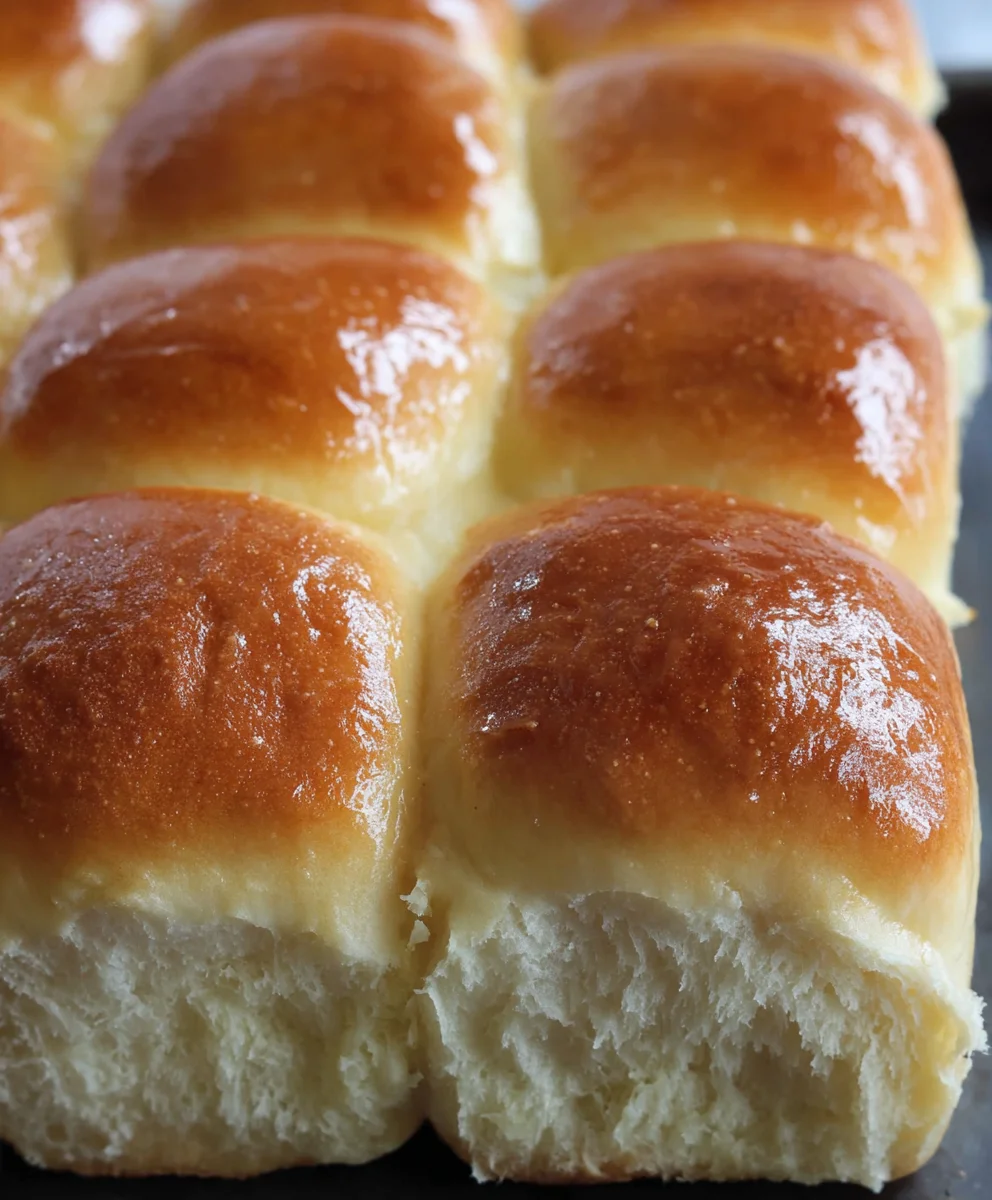
We’ve reached the end of our journey in crafting the perfect Homemade Yeast Rolls from Scratch. I hope you’ve enjoyed learning how to create these wonderfully soft, fluffy, and golden-brown delights. This recipe, while requiring a bit of patience for the dough to rise, is incredibly rewarding. The aroma that fills your kitchen as these bake is simply heavenly, and the taste is a world away from anything store-bought. Serve these warm, fresh from the oven, and watch them disappear in minutes! They are perfect alongside a hearty stew, a Sunday roast, or simply spread with butter.
Don’t be afraid to experiment! You can add a sprinkle of herbs like rosemary or chives to the dough, or brush them with garlic butter right after baking. A touch of honey or a hint of whole wheat flour can also add delightful nuances. Most importantly, have fun with it! Baking is an act of love, and these Homemade Yeast Rolls from Scratch are a wonderful way to show it.
FAQs:
Why aren’t my yeast rolls rising?
Several factors can affect yeast activity. Ensure your yeast is fresh and that the liquid you used to activate it was warm (not hot, as this kills the yeast) and not cold. Also, make sure your kitchen is warm enough; a drafty or cold room can slow down or prevent rising. Allowing adequate rising time is crucial – the dough should double in size.
Can I make Homemade Yeast Rolls from Scratch ahead of time?
Yes, you can! You can prepare the dough, let it rise, punch it down, shape it into rolls, and then place them on your baking sheet covered loosely with plastic wrap. Refrigerate them overnight. In the morning, let them sit at room temperature for about 30 minutes to an hour until they are puffy, then bake as directed. They might take a little longer to bake from chilled.
Easy Homemade Yeast Rolls From Scratch
Soft and fluffy yeast rolls made from scratch, perfect for any meal.
Ingredients
-
2 cups milk
-
2 tablespoons instant dry yeast
-
1/4 cup granulated sugar
-
1/3 cup unsalted butter, softened
-
1 extra tablespoon unsalted butter, melted
-
2 large eggs
-
6 1/4 cups all-purpose flour
-
2 teaspoons fine sea salt
Instructions
-
Step 1
In a large mixing bowl, warm milk to lukewarm. Sprinkle yeast and sugar over the surface. Let sit for 5-10 minutes until foamy. -
Step 2
Add eggs and softened butter to the activated yeast mixture. Whisk or pulse on low speed to combine. -
Step 3
Gradually add flour and salt to the wet ingredients. Mix on low speed until a shaggy dough forms. -
Step 4
Knead the dough using a stand mixer on medium-low for 8-10 minutes, or by hand on a lightly floured surface until smooth and elastic. -
Step 5
Place the kneaded dough in a greased bowl, cover, and let rise in a warm place for 1-1.5 hours, or until doubled in size. Punch down the dough. -
Step 6
Shape the dough into individual rolls and place them on a greased baking sheet or in muffin tins. -
Step 7
Cover the shaped rolls loosely and let them rise for another 30-45 minutes. Preheat oven to 375°F (190°C). -
Step 8
Bake for 15-20 minutes until golden brown. Brush with melted butter immediately after removing from the oven.
Important Information
Nutrition Facts (Per Serving)
It is important to consider this information as approximate and not to use it as definitive health advice.
Allergy Information
Please check ingredients for potential allergens and consult a health professional if in doubt.

Leave a Comment