

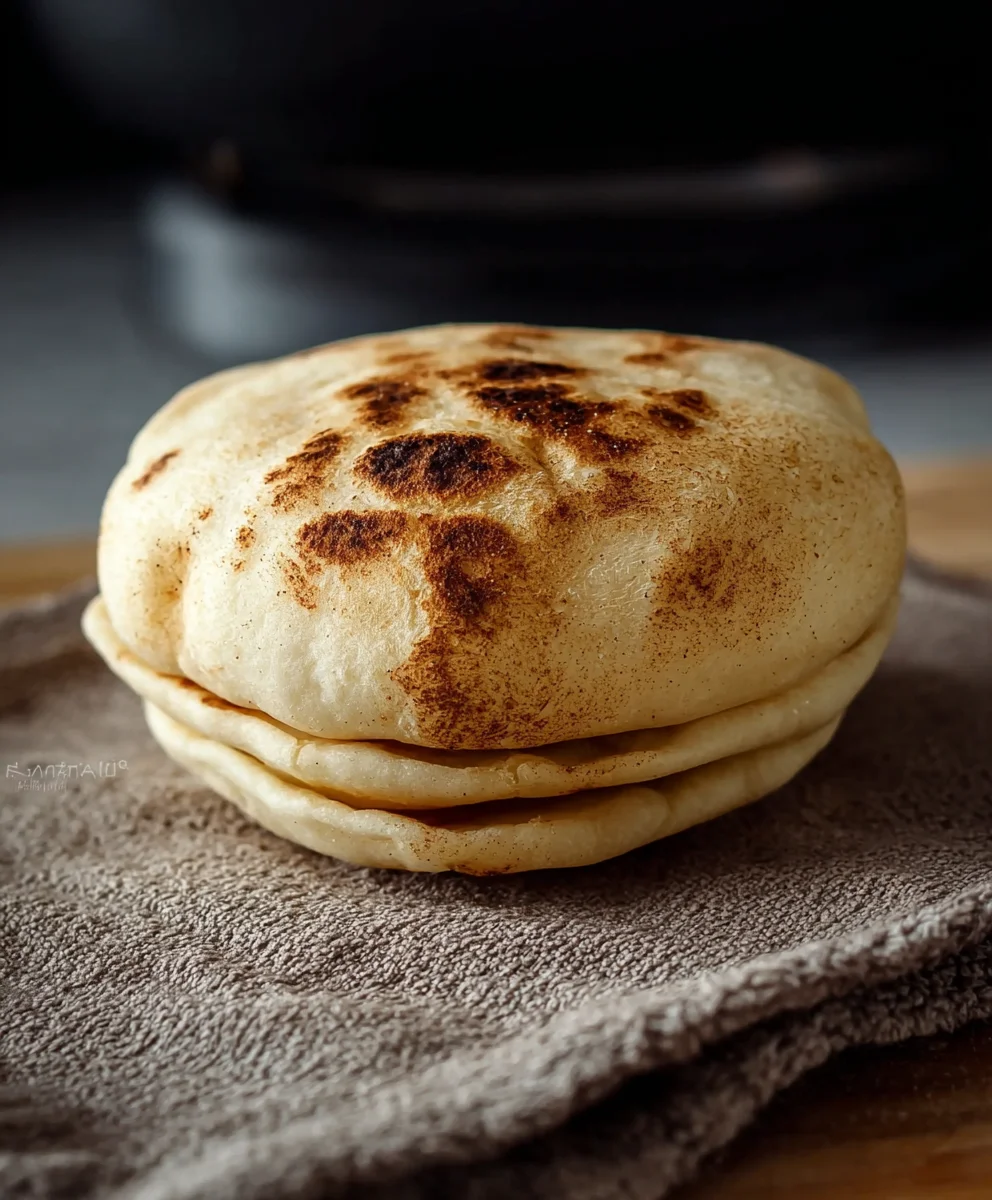
How to make Pita Bread at home is a culinary adventure that opens up a world of delicious possibilities, transforming your kitchen into a bakery ready to churn out warm, fluffy, and incredibly satisfying rounds of this beloved flatbread. There’s a unique magic in baking your own pita, a feeling of accomplishment that pairs perfectly with the aroma wafting through your home. People adore homemade pita bread because it’s fundamentally superior to most store-bought versions; it boasts a tender crum extractb, a delightful chew, and that signature pocket that’s perfect for stuffing with your favorite fillings. What truly makes learning how to make pita bread at home special is the simplicity of the ingredients and the transformative process of yeast and heat. Imagin extracte serving freshly baked pita, still warm from the oven, at your next gathering – it’s guaranteed to impress and delight everyone at the table, proving that mastering this foundational bread is a skill worth every minute.
Ingredients:
- 2 cups All-purpose Flour, plus an additional 1/2 cup for dusting
- 1/2 cup Whole Wheat Flour
- 1 tablespoon Sugar
- 1 teaspoon Salt
- 1 tablespoon Olive Oil
- 2 teaspoons Active Dry Yeast (see notes for activation)
- 1 cup Warm Water (about 105-115°F or 40-46°C)
Preparing the Dough: The Foundation of Fluffy Pita
The journey to perfect homemade pita bread begin extracts with a well-prepared dough. This stage is crucial for developing the gluten structure that will allow your pita to puff up beautifully in the oven.
Step 1: Activating the Yeast
First, let’s awaken our yeast. In a small bowl, combine the 1 cup of warm water and the 1 tablespoon of sugar. The warmth of the water is essential for activating the yeast, but be careful not to make it too hot, as this can kill the yeast. Aim for a temperature that feels comfortably warm to the touch, around 105-115°F (40-46°C). Sprinkle the 2 teaspoons of active dry yeast over the water and sugar mixture. Give it a gentle stir to ensure the yeast is submerged. Let this sit undisturbed for about 5 to 10 minutes. You’ll know the yeast is active and ready when it becomes foamy and bubbly on the surface. This frothy layer is a visual cue that the yeast is alive and producing carbon dioxide, which is what will eventually make our pita bread rise. If you don’t see any foam, your yeast might be old or the water wasn’t the right temperature, and you’ll need to start this step again with fresh yeast.
Step 2: Combining the Dry Ingredients and Creating the Dough Base
While the yeast is doing its magic, let’s prepare the dry ingredients. In a large mixing bowl, whisk together the 2 cups of all-purpose flour, the 1/2 cup of whole wheat flour, and the 1 teaspoon of salt. Whisking ensures everything is evenly distributed, which means your salt and yeast will be spread uniformly throughout the dough, leading to consistent flavor and texture. Once the yeast mixture is foamy, add the 1 tablespoon of olive oil to it. The olive oil adds a little richness and tenderness to the pita. Now, pour the activated yeast mixture into the bowl with the dry ingredients.
Step 3: Mixing and Kneading the Dough
Using a wooden spoon or a sturdy spagin extracta, begin to mix the wet and dry ingredients together. Stir until a shaggy dough starts to form. It might look a bit messy at this stage, and that’s perfectly normal. Once it’s too difficult to stir with the spoon, it’s time to get your hands in there. Turn the dough out onto a lightly floured surface – this is where you’ll use some of that reserved 1/2 cup of all-purpose flourgin extractr dusting. Begin to knead the dough. Kneading is the process of developing the gluten in the flour, which gives bread its structure and elasticity. Push the dough away from you with the heels of your hands, then fold it back over itself, and repeat. Continue kneading for about 8 to 10 minutes. You’re looking for a dough that is smooth, elastic, and slightly tacky to the touch, but not sticky. If it’s too sticky, add a little more flour, a tablespoon at a time. If it seems too dry, a few drops of water can help.
Step 4: First Rise – Letting the Dough Double in Size
Now that you have a beautifully kneaded dough, it’s time to let it rest and rise. Lightly grease the large mixing bowl you used earlier with a little bit of olive oil. Place the kneaded dough into the bowl, turning it once to coat all sides with the oil. This prevents the dough from drying out as it rises. Cover the bowl tightly with plastic wrap or a clean kitchen towel. Find a warm, draft-free spot in your kitchen for the dough to rise. This could be inside a slightly warmed oven (turned off, of course!) or simply on your countertop. Let the dough rise for about 1 to 1.5 hours, or until it has doubled in size. You’ll notice it becomes puffy and airy. This rise develops flavor and contributes to the final texture of the pita.
Step 5: Shaping and Second Rise
Once the dough has doubled, gently punch it down to release the air that has accumulated. Turn the dough out onto your lightly floured surface again. Divide the dough into 6 to 8 equal portions. Roll each portion into a ball. Cover the dough balls with a clean kitchen towel and let them rest for another 10-15 minutes. This short rest allows the gluten to relax, making it easier to roll them out thinly. After the rest, take one dough ball at a time and flatten it slightly with your hands. Using a rolling pin, roll each ball into a thin circle, about 6-8 inches in diameter and approximately 1/8 inch thick. Try to keep the thickness even for consistent puffing. Place the rolled-out pitas on baking sheets lined with parchment paper, making sure not to overcrowd them. You can cover them loosely with the kitchen towel again while you roll out the remaining dough. This second, shorter rest helps the pita maintain its shape and prepare for the dramatic puff in the oven.
Baking the Pita: The Magic of the Puff
This is where the real magic happens – watching your homemade pita bread puff up into perfect pockets.
Step 6: Achieving the Perfect Puff
Preheat your oven to the highest temperature it can go, typically 475-500°F (245-260°C). For the best results, place a baking stone or an inverted baking sheet on the middle rack of your oven while it preheats. This super hot surface is key to achieving that rapid steam expansion that creates the pita pocket. Once the oven and baking stone are fully heated (allow at least 30 minutes for this), carefully slide 2-3 of the rolled-out pitas directly onto the hot baking stone or inverted sheet. Be quick and work with what fits comfortably without crowding. Bake for 3 to 5 minutes. You’ll see them start to puff up dramatically within the first minute or two. Once they are puffed and lightly golden brown on the bottom and top, remove them from the oven. They should look like little inflated balloons!
Step 7: Cooling and Storing Your Fresh Pita
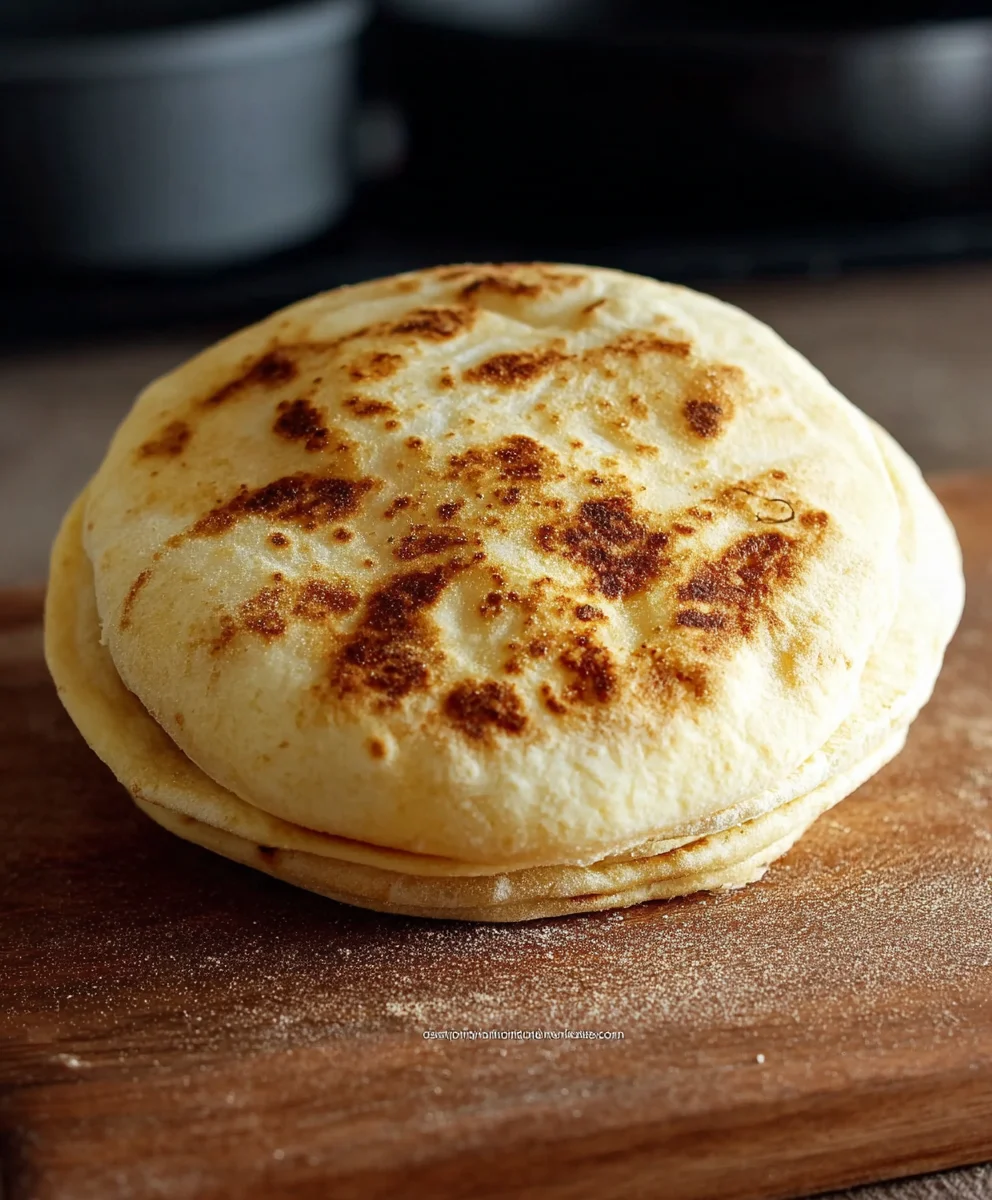
As soon as the pita comes out of the oven, stack them on top of each other and immediately cover them with a clean kitchen towel. The steam trapped within the stack will keep the pita soft and pliable. Letting them cool slightly in this steamy environment is essential for preventing them from becoming stiff and brittle. Once they are cool enough to handle, you can serve them warm, or let them cool completely before storing. For storing at room temperature, place cooled pitas in an airtight container or a zip-top bag for up to 2-3 days. For longer storage, you can freeze them. Wrap individual pitas tightly in plastic wrap, then place them in a freezer-safe bag or container. They will keep well in the freezer for up to 3 months. To reheat, simply toast them in a toaster, oven, or grill until warmed through.
Conclusion:
Mastering “How to make Pita Bread at home” is incredibly rewarding, and as you’ve seen, it’s a surprisingly accessible process. The fluffy pockets and slightly chewy texture are a world away from store-bought options. This recipe provides a fantastic base for all sorts of delicious meals. Serve your warm, fresh pita bread alongside hearty stews, vibrant salads, or use it as the perfect vessel for your favorite dips like hummus or baba ghanoush. For a delightful twist, consider adding a sprinkle of dried herbs like rosemary or za’atar to the dough before baking for an extra layer of flavor.
Don’t be discouraged if your first few attempts don’t puff up perfectly; practice makes perfect! The joy is in the homemade touch and the delicious aroma filling your kitchen. So, gather your ingredients and give “How to make Pita Bread at home” a try. You’ll be delighted with the results!
Frequently Asked Questions about How to make Pita Bread at home:
Why isn’t my pita bread puffing up?
Puffing is dependent on a few factors: a hot oven, a preheated baking surface (like a pizza stone or baking sheet), and a well-developed gluten structure in your dough. Ensure your oven is at the correct high temperature and that the dough has been kneaded sufficiently. Also, avoid overcrowding the oven; bake only a few pitas at a time.
Can I make pita bread without yeast?
While this recipe relies on yeast for its characteristic texture and puff, you can create flatbreads without yeast. However, they will have a denser, chewier texture and won’t achieve the signature pocket. If you’re looking for a quick flatbread, you might consider a recipe that uses baking powder or just flour and water, but it won’t be true pita bread.
How long does homemade pita bread last?
Freshly baked pita bread is best enjoyed the same day. For storage, let them cool completely and then keep them in an airtight container or a senon-alcoholic aled plastic bag at room temperature for 2-3 days. You can also freeze them for up to a month. Reheat gently in a warm oven or toaster to restore their softness.
Easy Homemade Pita Bread Recipe – Soft & Fluffy
Learn to make incredibly soft and fluffy homemade pita bread with this easy-to-follow recipe. Perfect for stuffing or serving with your favorite dips.
Ingredients
-
2 cups All-purpose Flour, plus an additional 1/2 cup for dusting
-
1/2 cup Whole Wheat Flour
-
1 tablespoon Sugar
-
1 teaspoon Salt
-
1 tablespoon Olive Oil
-
2 teaspoons Active Dry Yeast
-
1 cup Warm Water (about 105-115°F or 40-46°C)
Instructions
-
Step 1
Activate the yeast: In a small bowl, combine 1 cup warm water and 1 tablespoon sugar. Sprinkle 2 teaspoons active dry yeast over the mixture. Stir gently and let sit for 5-10 minutes until foamy and bubbly. -
Step 2
Combine dry ingredients: In a large mixing bowl, whisk together 2 cups all-purpose flour, 1/2 cup whole wheat flour, and 1 teaspoon salt. Once yeast mixture is foamy, add 1 tablespoon olive oil to it and then pour the yeast mixture into the dry ingredients. -
Step 3
Mix and knead: Stir with a spoon until a shaggy dough forms. Turn dough out onto a lightly floured surface and knead for 8-10 minutes until smooth, elastic, and slightly tacky. Add flour or water as needed. -
Step 4
First rise: Lightly grease the mixing bowl with olive oil. Place dough in the bowl, turning to coat. Cover tightly and let rise in a warm, draft-free spot for 1 to 1.5 hours, or until doubled in size. -
Step 5
Shape and second rise: Gently punch down dough. Divide into 6-8 equal portions, rolling each into a ball. Cover and let rest for 10-15 minutes. Roll each ball into a thin circle, about 1/8 inch thick. -
Step 6
Bake: Preheat oven to 475-500°F (245-260°C) with a baking stone or inverted baking sheet inside. Carefully slide 2-3 pitas onto the hot surface and bake for 3-5 minutes until puffed and lightly golden. -
Step 7
Cool and store: Stack hot pitas and cover with a clean kitchen towel to keep them soft. Serve warm or cool completely before storing in an airtight container for up to 3 days, or freeze for longer storage.
Important Information
Nutrition Facts (Per Serving)
It is important to consider this information as approximate and not to use it as definitive health advice.
Allergy Information
Please check ingredients for potential allergens and consult a health professional if in doubt.

Leave a Comment